
i+mARCH
Sustaining Bangkok Identity
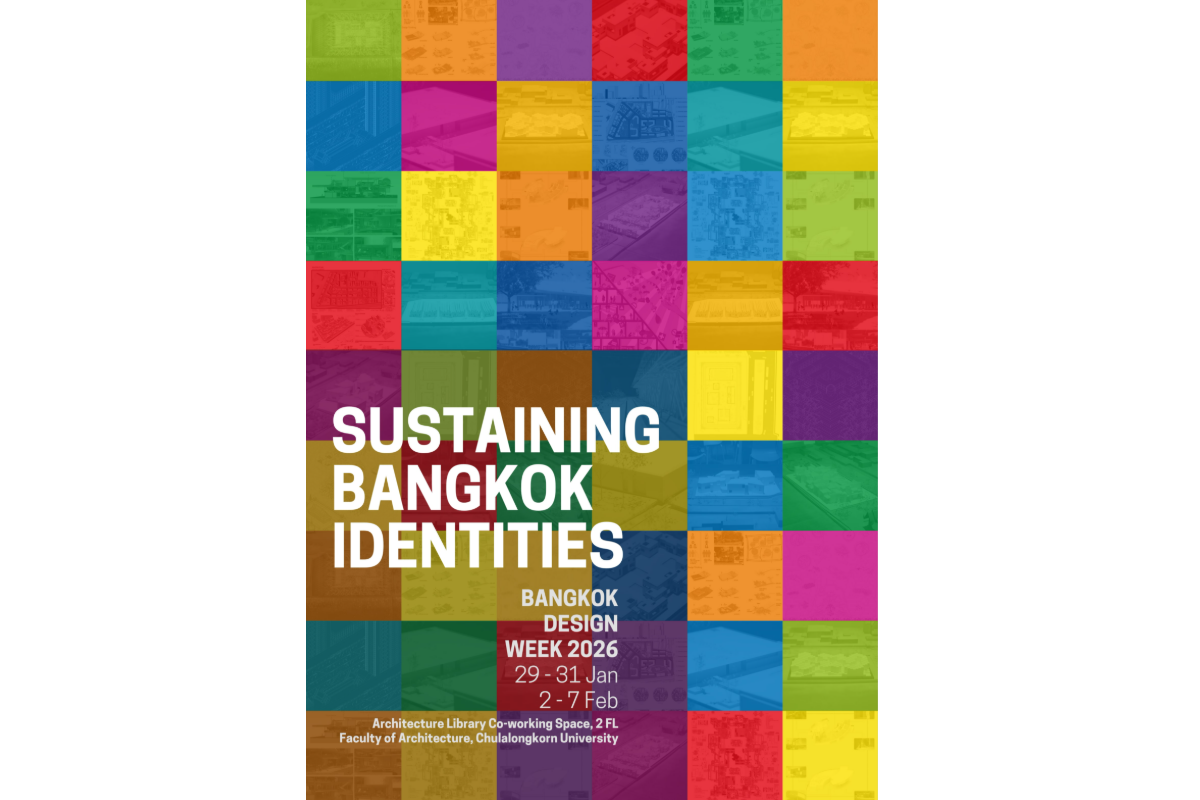
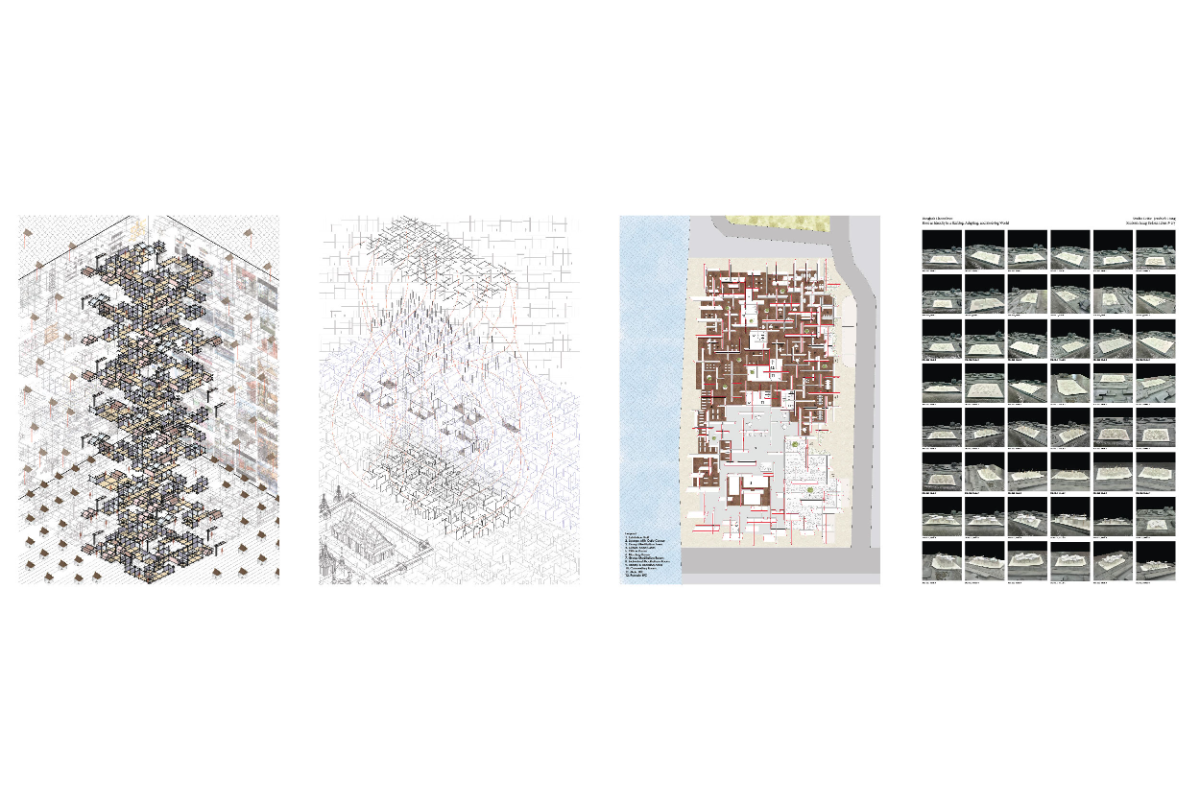
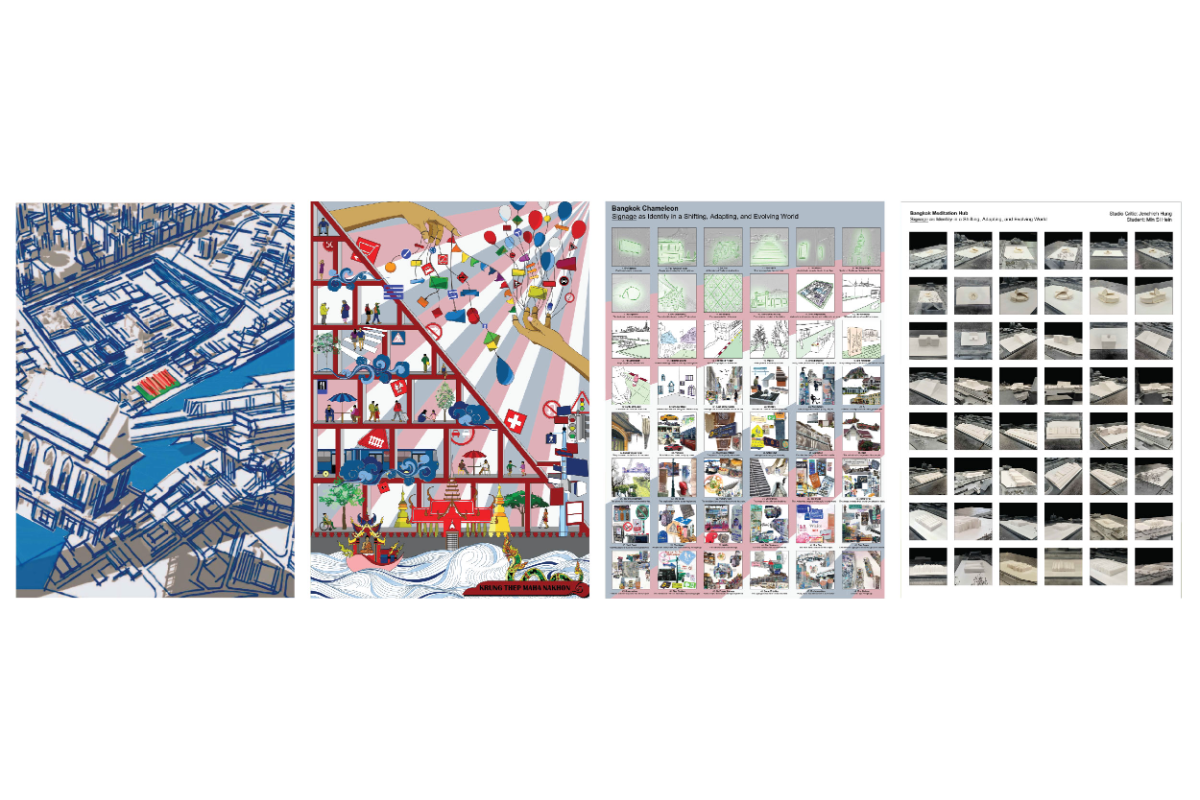

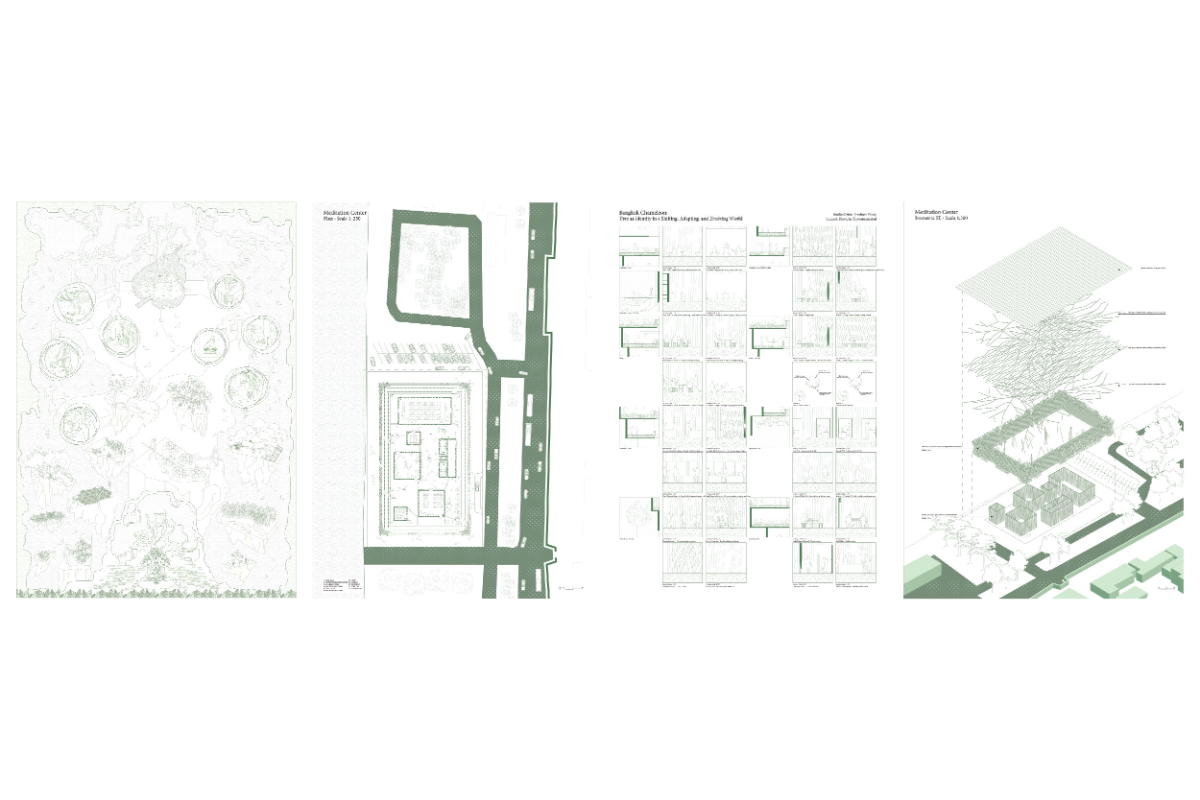
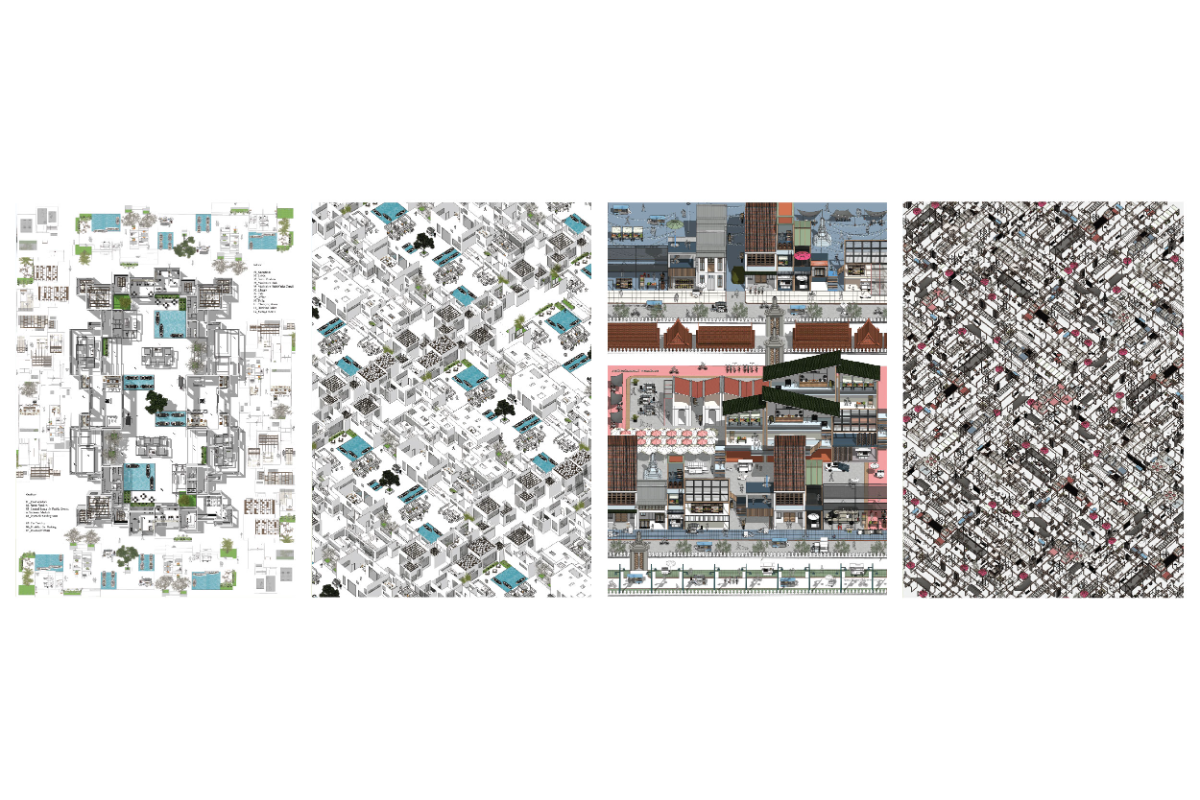
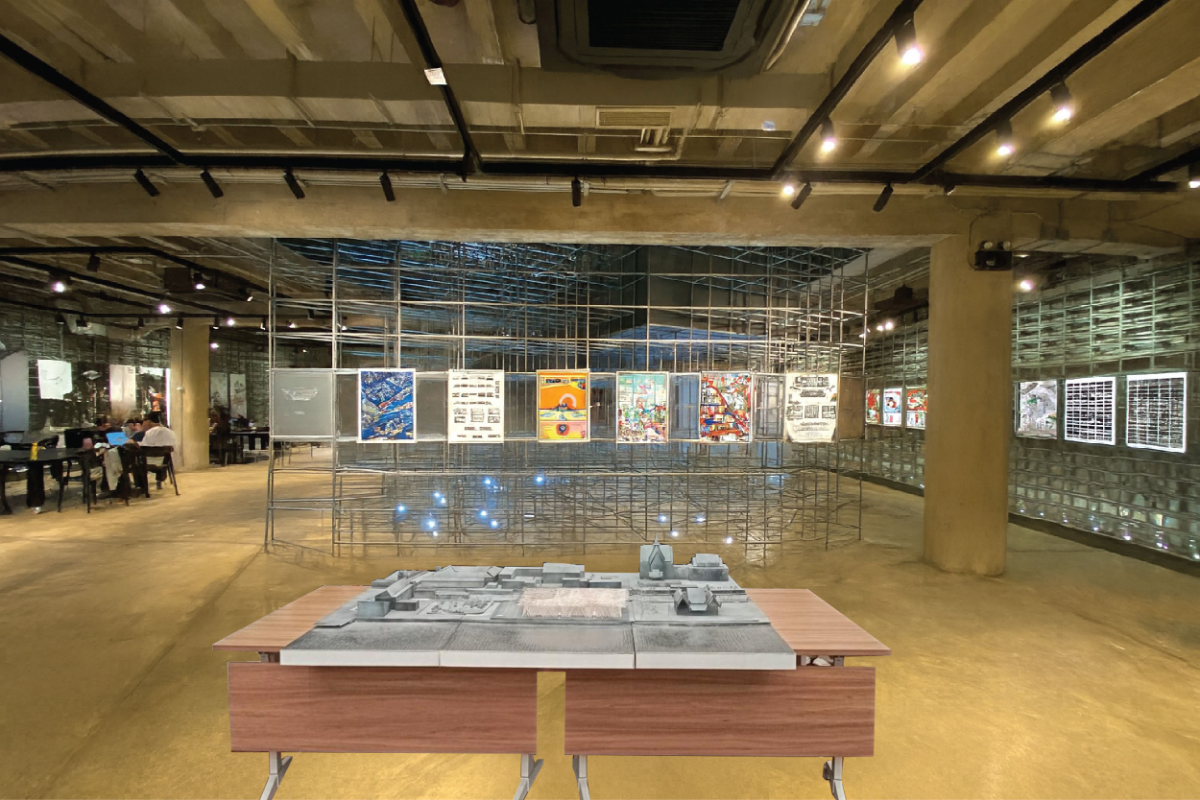
Sustaining Bangkok Identity
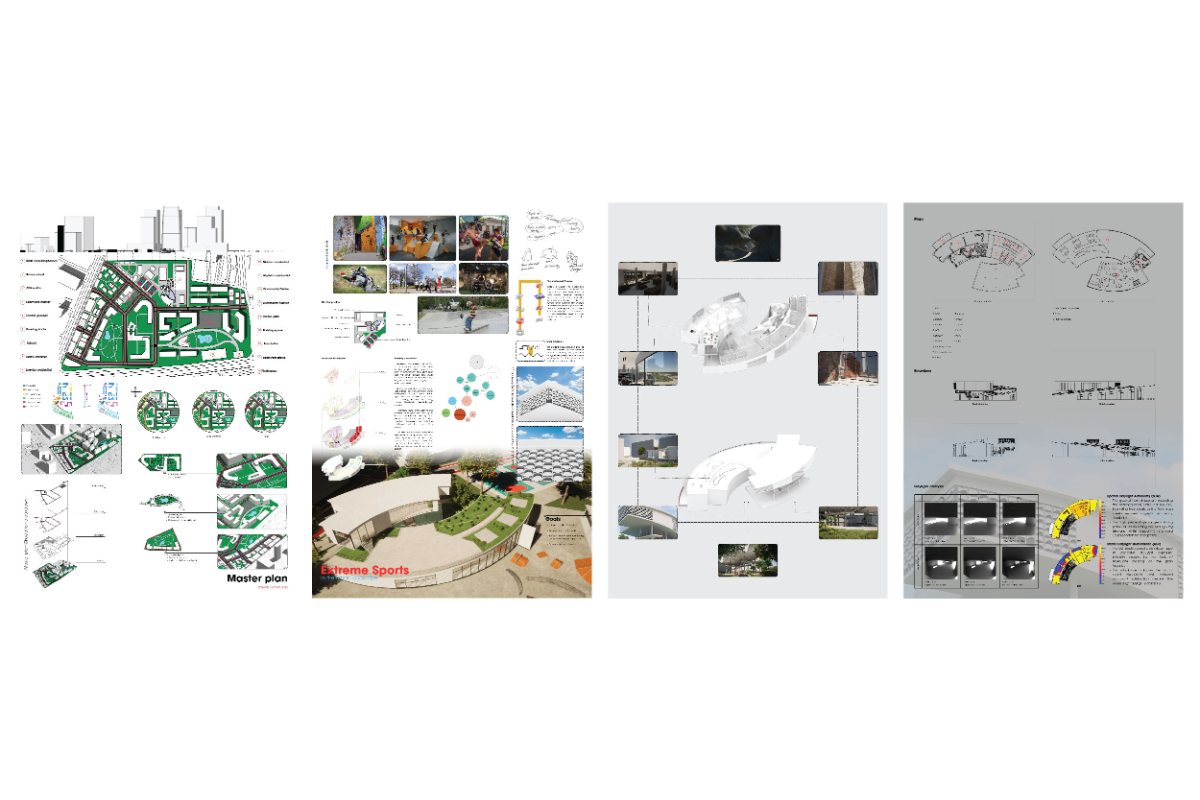
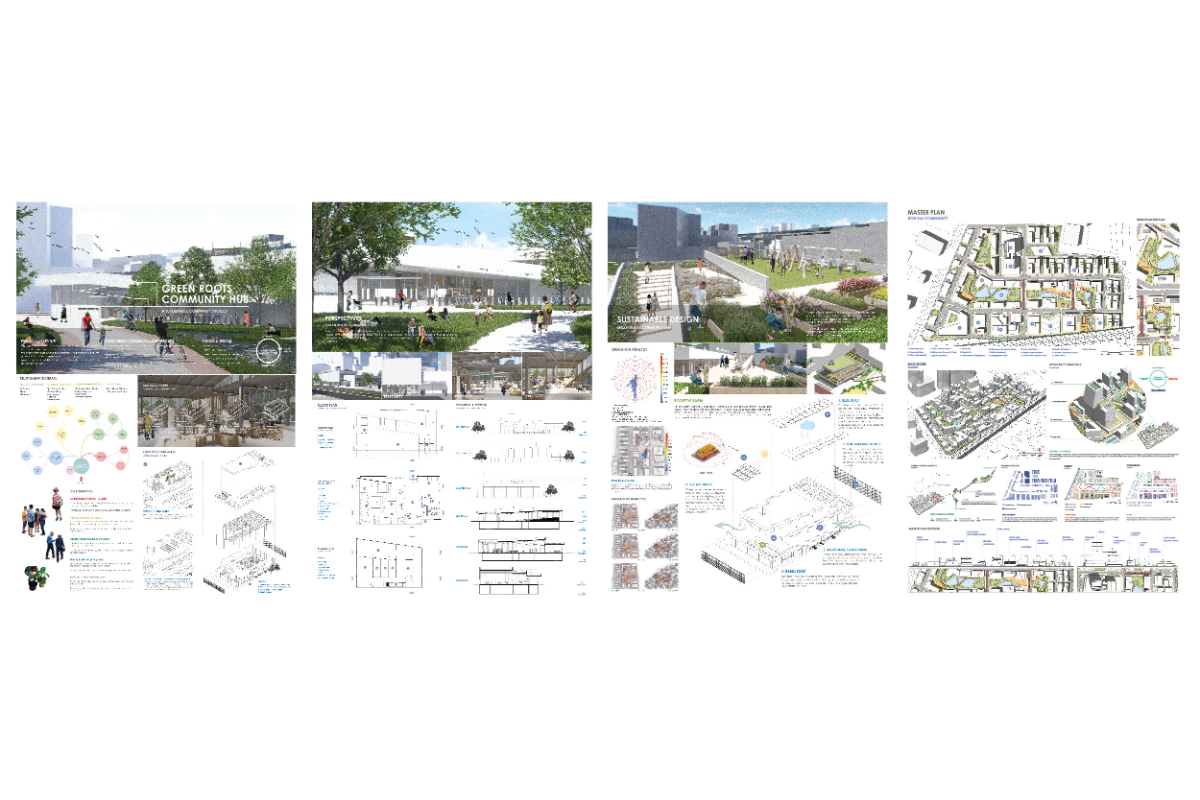
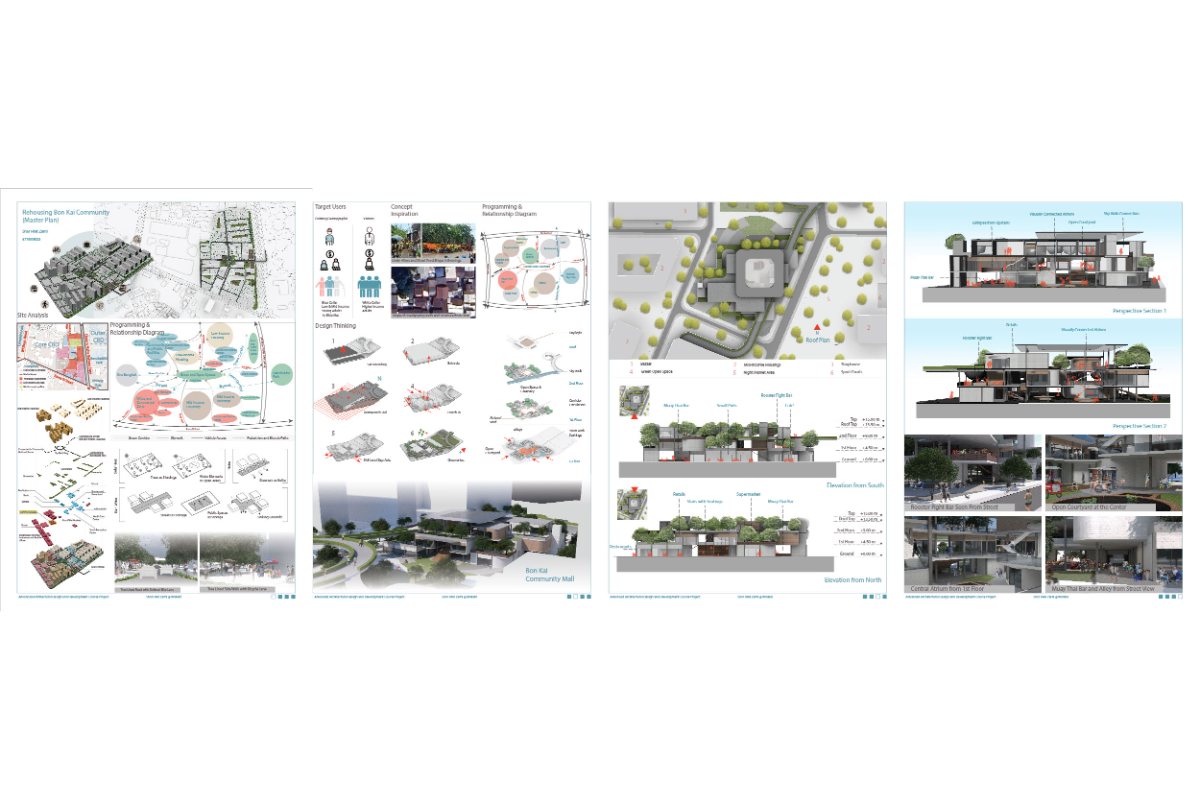
This work is part of the Advanced Architectural Design and Development studio by graduate students of the Master of Architecture in Architectural Design (International Program), Department of Architecture, Faculty of Architecture, Chulalongkorn University. The design brief began with the Bangkok Metropolitan Administration (BMA)’s projects in 2024—such as the redesign of the city’s identity system and the launch of a new landmark billboard in the city center—which are part of a broader effort to “rebrand” the city.
City branding is the process through which residents rediscover the value and identity of their city, and design appropriate ways to present these identities to outsiders. It aims to attract visitors to explore and engage with different parts of the city, creating positive impacts on the economy, society, and urban conservation. More importantly, it strengthens citizens’ pride in their city. Identity, therefore, is a key component of city branding.
Building on this, the project challenges international students to ask how architectural design can support and enhance the interpretation of Bangkok’s identity—translating it into meaningful spaces and forms that contribute to the city’s new branding. Architectural design is expected to reinforce both place and people, while also strengthening the city’s fundamental elements such as infrastructure, public transportation, and safety.
At the same time, it should promote urban development that embraces both the extraordinary and the ordinary aspects of daily life, weaving together universal ideas of sustainability with Bangkok’s unique characteristics. The ultimate goal is to create design solutions that serve and benefit both visitors and locals.
Studio Section 1: Sustainable Bangkok – Designing the Future Led by Professor Varunya Jarunyaroj (Team Leader, Architect and Senior Green Building Specialist, AFRICVS Co., Ltd.)
This studio emphasizes sustainable design practices, instilling a deeper understanding of architectural and urban design through creative problem-solving and positive thinking. The aim is to shape a resilient physical future that can adapt to change, with innovation and conservation at the core of design. The projects highlight the importance of preserving resources and seeking globally sustainable yet locally appropriate solutions for Bangkok.
Studio Section 2: Bangkok Chameleon – Identity in a Shifting, Adapting, and Evolving World Led by Professor Jenchieh Hung (Principal and Co-founder, Jenchieh Hung + Kulthida Songkittipakdee / HAS design and research)
This studio explores the physical “patterns” of Bangkok, employing the process of pattern formation as a strategy for creating urban spaces and architectural forms that support the city’s identity. Development involves surveying, recording, analyzing, and synthesizing findings through diagrams, models, and architectural drawings. Students identified key elements—such as shophouses, street vendors, signage, roofs, verandas, Tom Yum, and trees—that reflect Bangkok’s identity. These elements were synthesized under thematic directions and further developed into the final architectural project, the Bangkok Meditation Hub.
Designer
- Mr. Bhuvarin Thaveetermsakul
- Mr. Gourav Dey
- Mr. Joshua Beanland
- Mr. Min Si Hein
- Mr. Edbert Theo Fortino
- Miss Aung Yadana Htun
- Mr. Aung Khant
- Mr. Aung Kaung Myat
- Miss Nang Mwe Noom
- Mr. Vathana Say
- Mr. Kongphat Phaiboonnukulkij
- Mr. Shar Htet Zarni
- Mr. Ye Swan Yee
- Mr. Li Hung Chang
- Miss Thea Skovgård Jørgensen
- Miss Linn Rogde Ytreeide
- Mr. Ativiseth Phin
- Mr. Kyaw San Nyunt
- Mr. Sotharin Son
- Mr. Yousa Oum
- Miss Anna Betti
- Miss Hsu Thinzar Soe
- Mr. Ye Thiha Linn
- Miss Lwin Myat Swe
- Miss Nora Bull Langehaug
- Miss Ni Kadek Adini
- Miss Yulin Duan
- Miss Junyi Chen
Attending
Free
Schedule
Thursday 29 Jan 2026
08:30 - 18:00
Friday 30 Jan 2026
08:30 - 18:00
Saturday 31 Jan 2026
10:00 - 16:00
Monday 02 Feb 2026
08:30 - 18:00
Tuesday 03 Feb 2026
08:30 - 18:00
Wednesday 04 Feb 2026
08:30 - 18:00
Thursday 05 Feb 2026
08:30 - 18:00
Friday 06 Feb 2026
08:30 - 18:00
Saturday 07 Feb 2026
10:00 - 16:00
Venue
Faculty of Architecture's library, Chulalongkorn University
254 ถนนพญาไท แขวงวังใหม่ เขตปทุมวัน กรุงเทพมหานคร 10330
Share